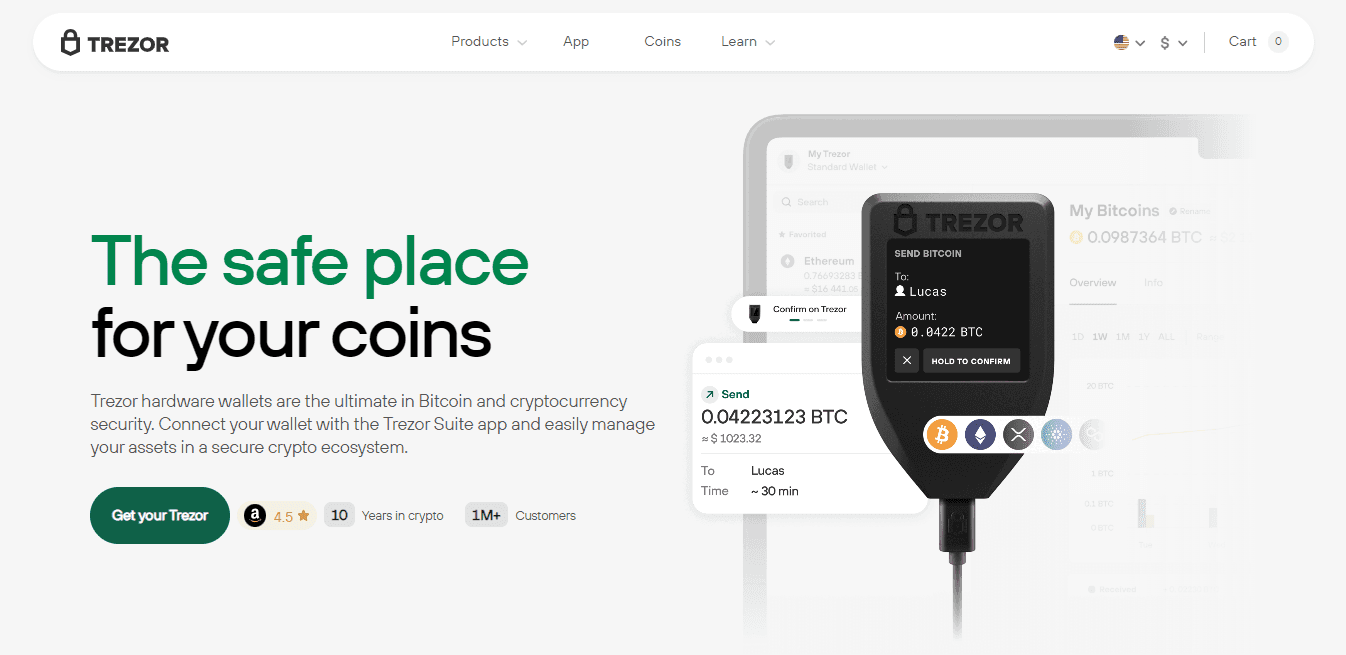
Trezor Bridge: The Essential Link Between Your Trezor Device and Computer
In the world of cryptocurrency, security is paramount. Hardware wallets like Trezor have emerged as a reliable solution for safely storing digital assets. However, to interact seamlessly with Trezor devices, users need a software bridge that ensures smooth communication between the hardware wallet and their computer. This is where Trezor Bridge comes into play. It acts as the critical intermediary, enabling secure and efficient connection between your Trezor device and the applications or web interfaces you use for cryptocurrency management.
What is Trezor Bridge?
Trezor Bridge is a small software application developed by SatoshiLabs, the company behind Trezor hardware wallets. Its primary purpose is to facilitate communication between your Trezor device and your computer’s web browser or desktop applications. Without Trezor Bridge, your computer would struggle to recognize the device, making tasks like sending or receiving cryptocurrency complicated or even impossible. Essentially, it bridges the gap between the physical hardware wallet and the digital environment of your computer.
Why Trezor Bridge is Necessary
When you connect a Trezor device to your computer, it uses a USB connection. Modern browsers, however, do not always natively support direct communication with hardware wallets due to security restrictions. Trezor Bridge resolves this issue by acting as a secure intermediary. It allows your browser or desktop application to detect the Trezor device, send transaction requests, and receive responses, all while keeping your private keys safely stored on the hardware wallet. This ensures that even if your computer is compromised, your cryptocurrency remains protected because the private keys never leave the device.
Installing Trezor Bridge
Installing Trezor Bridge is straightforward. The software is available for major operating systems, including Windows, macOS, and Linux. Users simply need to download it from the official Trezor website and follow the installation prompts. Once installed, the bridge runs in the background and automatically detects when a Trezor device is connected. Users do not need to configure complicated settings, making the setup process beginner-friendly.
How Trezor Bridge Works
When a Trezor device is connected, Trezor Bridge communicates with both the hardware wallet and the Trezor Suite or web interface. It translates browser requests into commands that the Trezor device can understand, and it sends responses back to the application. For example, when a user initiates a cryptocurrency transaction, the request is sent through the bridge, confirmed on the Trezor device, and then returned to the application for completion. This ensures that sensitive information, such as private keys and PIN codes, remains securely on the hardware device.
Benefits of Using Trezor Bridge
Security: Private keys never leave the hardware wallet, even during transactions.
Compatibility: Works with major browsers and operating systems.
User-Friendly: Easy installation and automatic device detection.
Reliability: Provides stable communication between Trezor devices and applications.
Updates: Regular updates ensure compatibility with new cryptocurrencies and features.
Conclusion
Trezor Bridge is an indispensable part of the Trezor ecosystem. By securely connecting your hardware wallet to your computer, it ensures that cryptocurrency transactions and account management remain safe and efficient. Whether you are a beginner or an experienced crypto user, installing and using Trezor Bridge guarantees smooth interaction with your Trezor device. Without it, the full potential of your hardware wallet cannot be realized, making it a small yet crucial component for anyone serious about crypto security.